NAB PayID Casino Transactions
Why NAB sits in a category of its own among the Big Four NAB joined PayID in 2018 alongside the rest of the Big Four, but the bank's casino-deposit experience…

Are PayID casino transfers really free? Bank side, casino side, currency conversion, inactivity fees — every potential charge mapped for Aussies
 Available in AU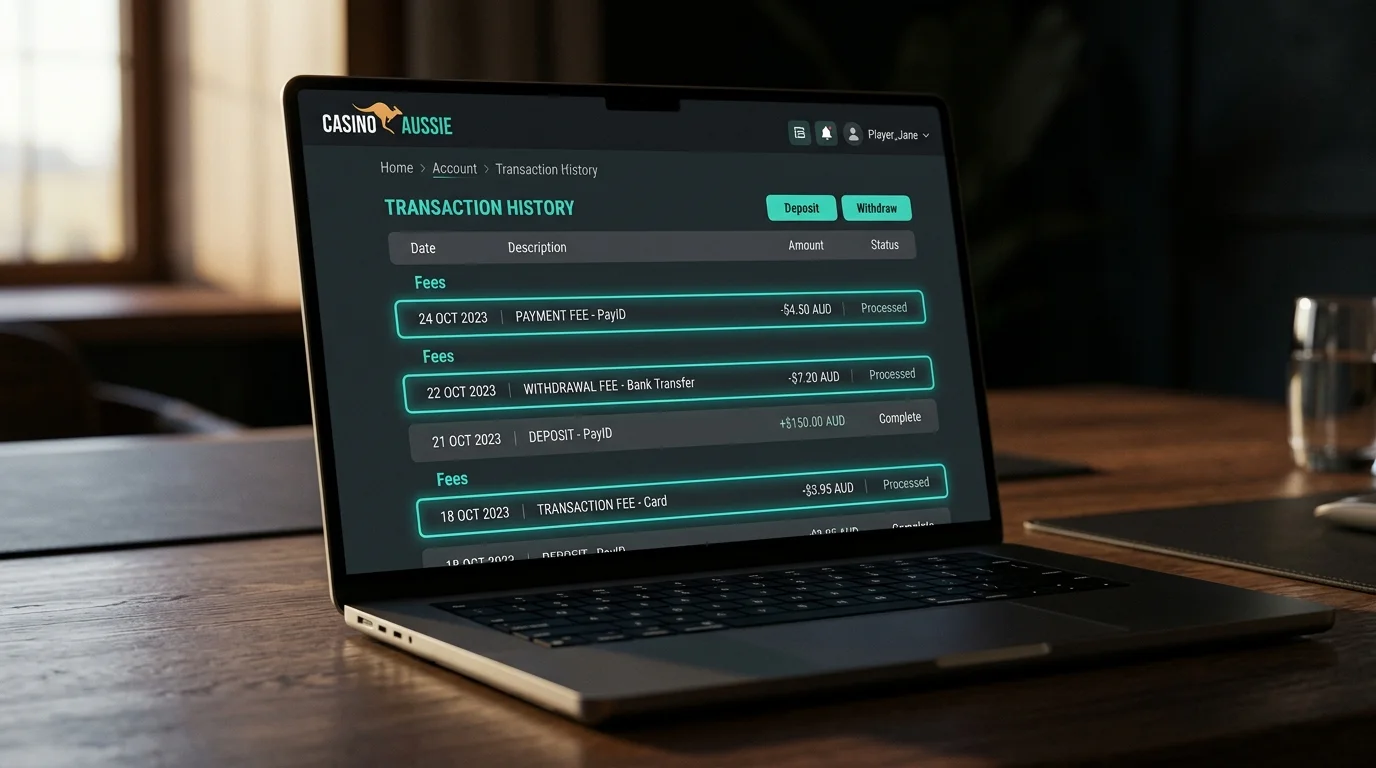
The cleanest way I can frame what I do for nine years is this: I follow the cents. Players come to me asking why their A$500 deposit ended up at A$485 in the casino balance, or why their A$2,000 withdrawal arrived as A$1,936. PayID has built a reputation as a “free” rail — and the headline is technically correct. No bank in Australia charges per-transaction fees for PayID transfers, and no NPP scheme fee is passed to the consumer. The leakage happens somewhere else: at the cashier, in the currency conversion, in the dormancy clauses buried at page 14 of the T&Cs.
This piece walks through every cost line that can attach itself to a PayID-funded casino session. The honest answer is that PayID is genuinely close to free when the operator is AUD-denominated and the player is active. But that bundle of conditions does not always hold, and when it does not, the cost can run to 3 to 5 per cent of session turnover without the punter ever seeing a line-item invoice.
Zero. That is the short answer, and it holds across the Big Four, the mid-tier banks, the mutuals, and the digital-only neobanks. PayID was built as a free consumer rail and stayed that way. CommBank, Westpac, NAB, and ANZ do not charge a fee for sending or receiving PayID payments, and the same applies to Bendigo, Macquarie, ING, ME, Bankwest, and the credit unions that aggregate through Indue.
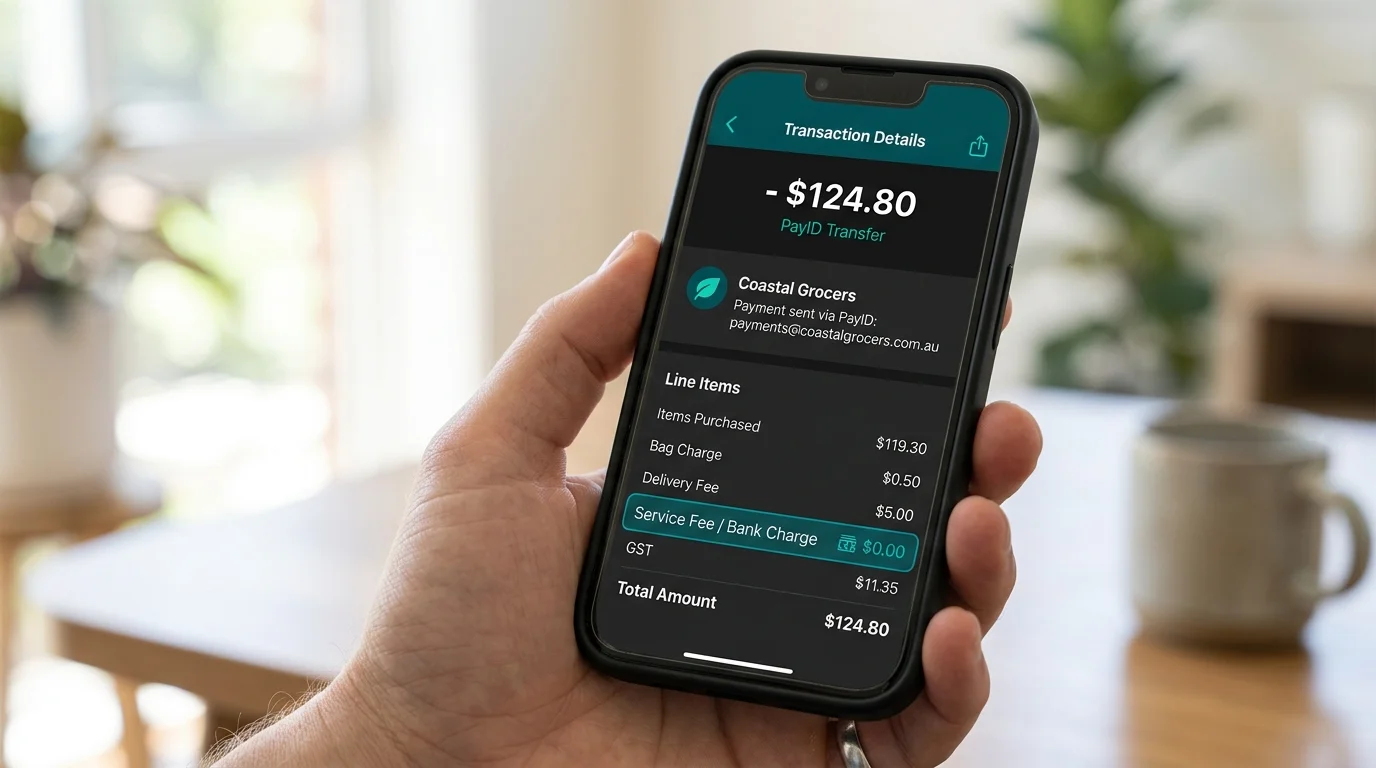
The reason has to do with how the NPP was funded. When 100+ financial institutions support PayID, the scheme economics work on flat membership fees paid to AP+, not per-transaction tolls on consumers. Member banks recoup their NPP investment through business banking products and corporate payments — the consumer side stays free because the wholesale model already paid for the rail. If you ever see a PayID-related charge on your statement, it is almost certainly a returned-payment penalty (when a PayID send is rejected and bounced back) or a foreign-exchange-related conversion that happened downstream of the PayID leg.
The one exception worth flagging: some neobanks limit free PayID sends to a monthly cap, after which subsequent transfers fall back to either Osko or BPAY-style billers, which can carry small fees. The caps are usually 50 to 100 free transfers per month, and almost no casino player hits them — but if you are running a 30-deposit week for any reason, check your bank’s specific fee schedule.
The deposit side is universally free. Every PayID-accepting operator in the AU-facing market processes deposits at 0% on the cashier side, because the operator absorbs the merchant-side PayID cost as part of customer acquisition. There is no operator anywhere in the market that charges a deposit fee on PayID transactions, and any operator that does should be treated as a fraud signal — that is not a normal pricing pattern.
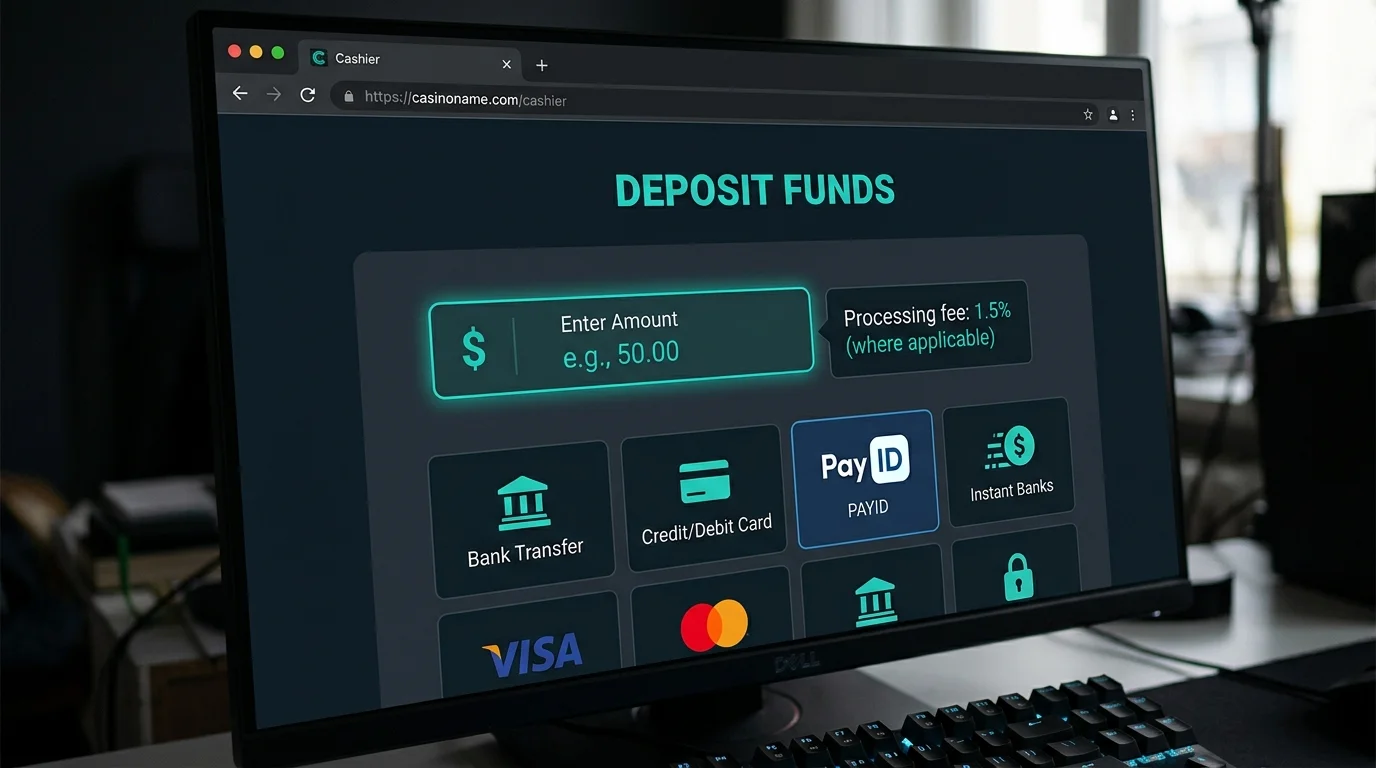
Withdrawals are where it gets interesting. The majority of operators process the first PayID withdrawal each month for free, and then attach a flat fee — typically A$2 to A$5 — to each subsequent withdrawal within the same month. The rationale offered is operational cost, though the actual rail cost is well under A$0.50, so the fee is closer to a soft cap on payout frequency than a genuine cost pass-through. The practical workaround is to consolidate withdrawals: cash out A$3,000 in one transfer rather than A$1,000 in three. The single-transfer ceiling tends to sit well above what most players need to move at once.
A small subset of operators apply withdrawal fees only above certain thresholds — for example, free up to A$1,000 per month cumulative, then 2% on the excess. These fee structures are buried in the T&Cs and the cashier rarely shows them at the moment of withdrawal request, which is why I check the fee schedule on every operator I write about before any reader sends them money. If the schedule is not findable in under three minutes of looking, treat that as a black mark in itself.
Here is where the actual cost lives, and almost nobody notices it. Most AU-facing offshore casinos run their internal ledger in EUR or USD, not AUD. When you send A$500 via PayID, the cashier converts at an internal rate that is consistently 1.5 to 4 per cent worse than mid-market — the spread the operator captures on the conversion. When you withdraw, the reverse leg happens, with another 1.5 to 4 per cent spread.
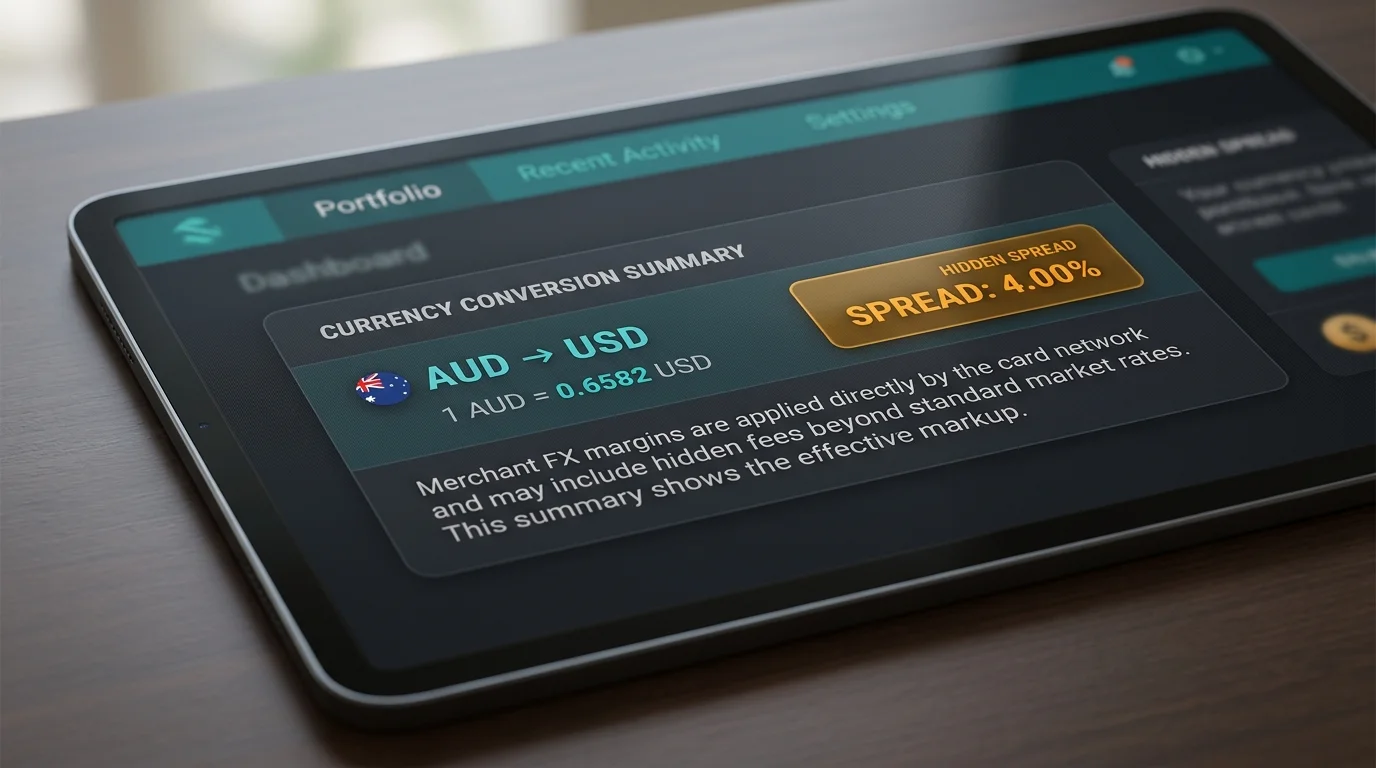
A round trip on an A$1,000 deposit through a non-AUD operator costs you somewhere between A$30 and A$80 in spread, depending on the operator. That is more than every other PayID-related cost combined, by an order of magnitude. The operators that show AUD in the cashier and AUD on the lobby chip values are doing you a real favour — they have either absorbed the conversion cost themselves or done the rare work of running an AUD wallet directly.
The conversion is also where I see the most player confusion. A punter deposits A$1,000, sees “$1,000” in the balance, and assumes the AUD stuck — but the dollar sign was masking USD on a USD-denominated operator. Three days later they withdraw what looks like the same amount and receive A$1,460 instead of A$1,500, and ask me where the missing A$40 went. The answer is always the conversion spread, applied twice, and the support team can flag the conversion before deposit if you ask the right question before clicking deposit. The question is: “What currency is my account balance held in, and what FX rate are you using on deposit and withdrawal?” Operators that cannot answer cleanly are not running an account structure you want to fund.
This is the fee category that catches people who deposit, play, stop for six months, and come back to find their balance smaller than they left it. Most offshore operators have an inactivity clause in the T&Cs that imposes a monthly fee on dormant accounts — typically A$10 to A$25 per month, applied after a dormancy threshold of 60 to 180 days. Some operators wipe balances entirely after 12 months of inactivity, citing AML compliance.
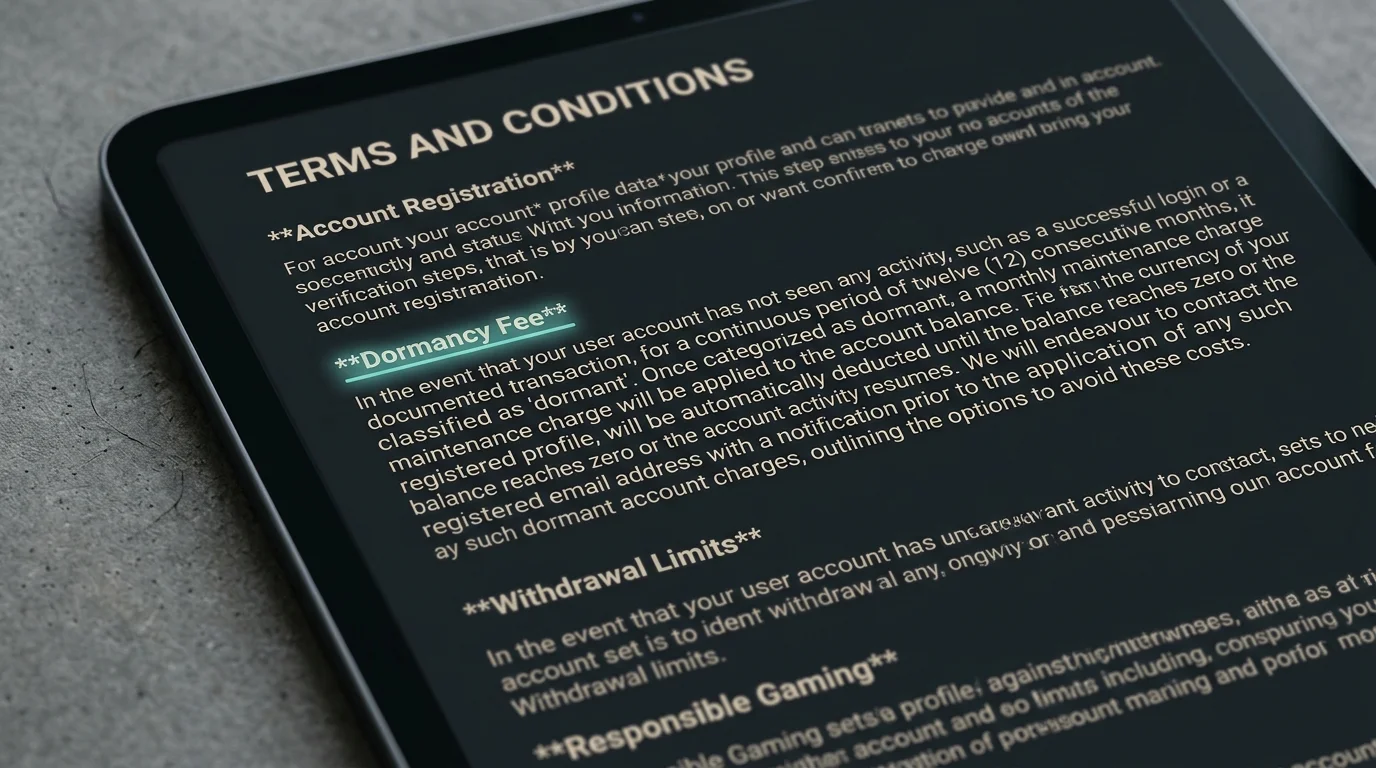
The mechanics are straightforward. Day 1 to Day 90: nothing happens. Day 91 onwards: the operator’s billing engine starts charging the monthly fee against the dormant balance. If the balance is A$200 and the fee is A$20 per month, the account zeros out in ten months and the operator pockets the rest. The clause is legal in every offshore jurisdiction that licences these operators, and it is consistently buried in the section of the T&Cs that nobody reads.
The protection is simple: log in once every 30 days. The clock resets on login at most operators. Set a calendar reminder for the first of every month, log in, browse the lobby for two minutes, log out. That alone prevents 95% of dormancy fee incidents I have seen. The other 5% are operators with a “play activity” trigger, where logins do not count and only actual bets reset the clock.
Let me run a concrete example, because the abstract numbers do not stick the way a calculation does. Deposit A$1,000 via PayID at an offshore operator. Play through a normal session — say A$3,000 of total turnover at 4 per cent house edge, expected loss A$120. Withdraw the remaining A$880. PayID minimums sit at A$10 to A$30 and maximums per transaction at A$5,000 to A$20,000, so the deposit and withdrawal both fit comfortably in a single transfer.

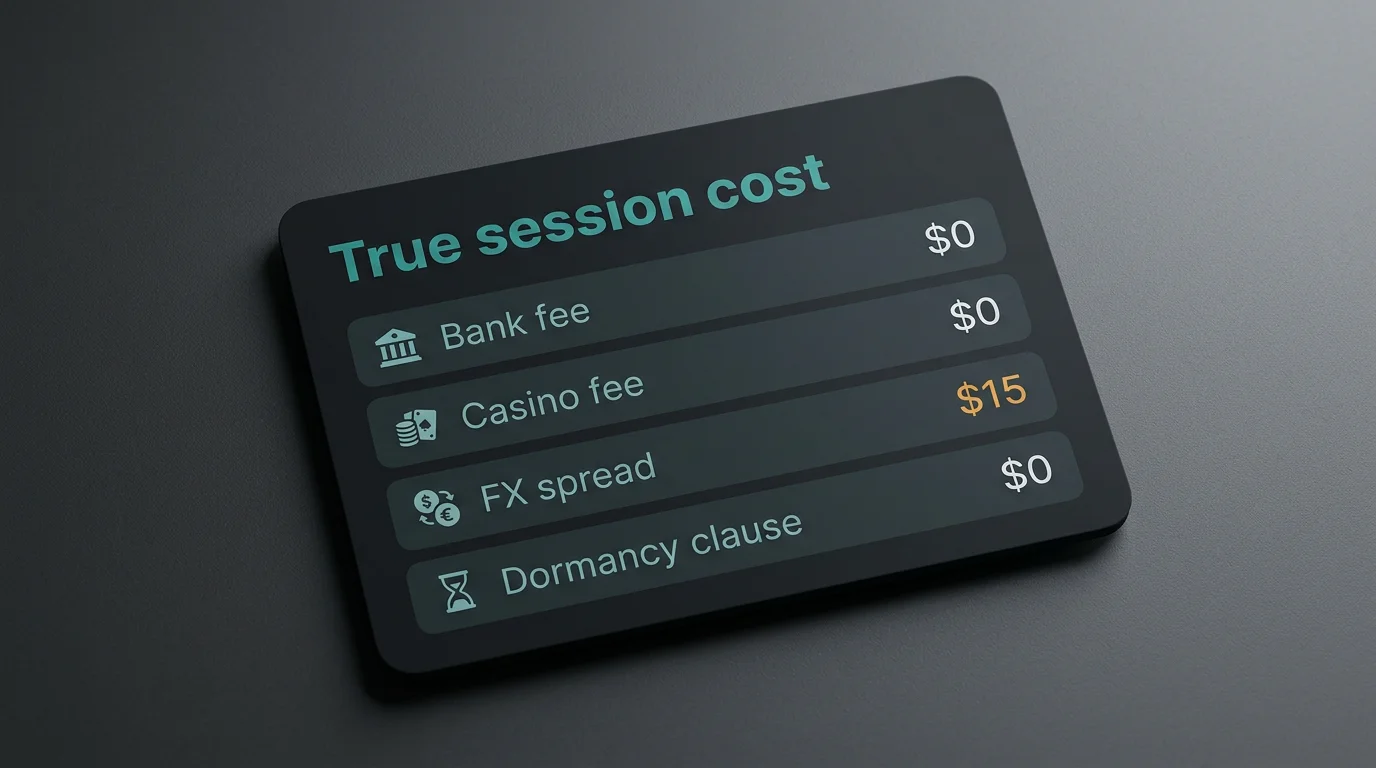
Bank-side fees on both legs: A$0. Casino deposit fee: A$0. Casino withdrawal fee for the first cashout of the month: A$0. So far, A$0 of overhead.
Currency conversion if the operator runs a USD account: A$1,000 converts to roughly USD 638 at a 4 per cent spread against mid-market 66 cents — meaning the punter effectively paid A$22 in spread on deposit. Withdrawal converts USD 561 back to A$849, paying another A$22 in spread. Round-trip FX cost: A$44 on A$1,000 nominal. The session looks free on the cashier screen, but the conversion took A$44 silently.
Compare to the same session at an AUD-denominated operator: A$1,000 deposited, A$880 withdrawn, total external cost A$0. The whole A$120 expected loss is the actual session cost. The same player at the same operator type but USD-denominated paid A$164. The 36 per cent uplift in total cost has nothing to do with how they played — it was the choice of operator currency.
PayID is genuinely fee-free as a rail. The leakage is downstream — currency conversion if the operator is not AUD, dormancy if the player goes quiet, and the occasional withdrawal-frequency soft fee. None of these are PayID problems; they are operator-choice problems. A punter who picks an AUD-denominated operator, withdraws sensibly, and stays active in 30-day cycles will pay zero overhead on PayID transfers for years. A punter who funds a USD operator, withdraws weekly, and goes dormant for six months will pay 5 to 8 per cent of nominal turnover in cumulative spread and fee drag without ever being asked to confirm a charge.
Written by the editors at casinopayidau.com.