PayID Casino on iOS vs Android
Why the device choice matters less than the platform policies behind it The question I get from readers more often than almost any other is whether they should switch phones…

We tested PayID casino support at 3 AM AEST: live chat times, escalation paths, language coverage and red flags that betray a scambling operator
 Available in AU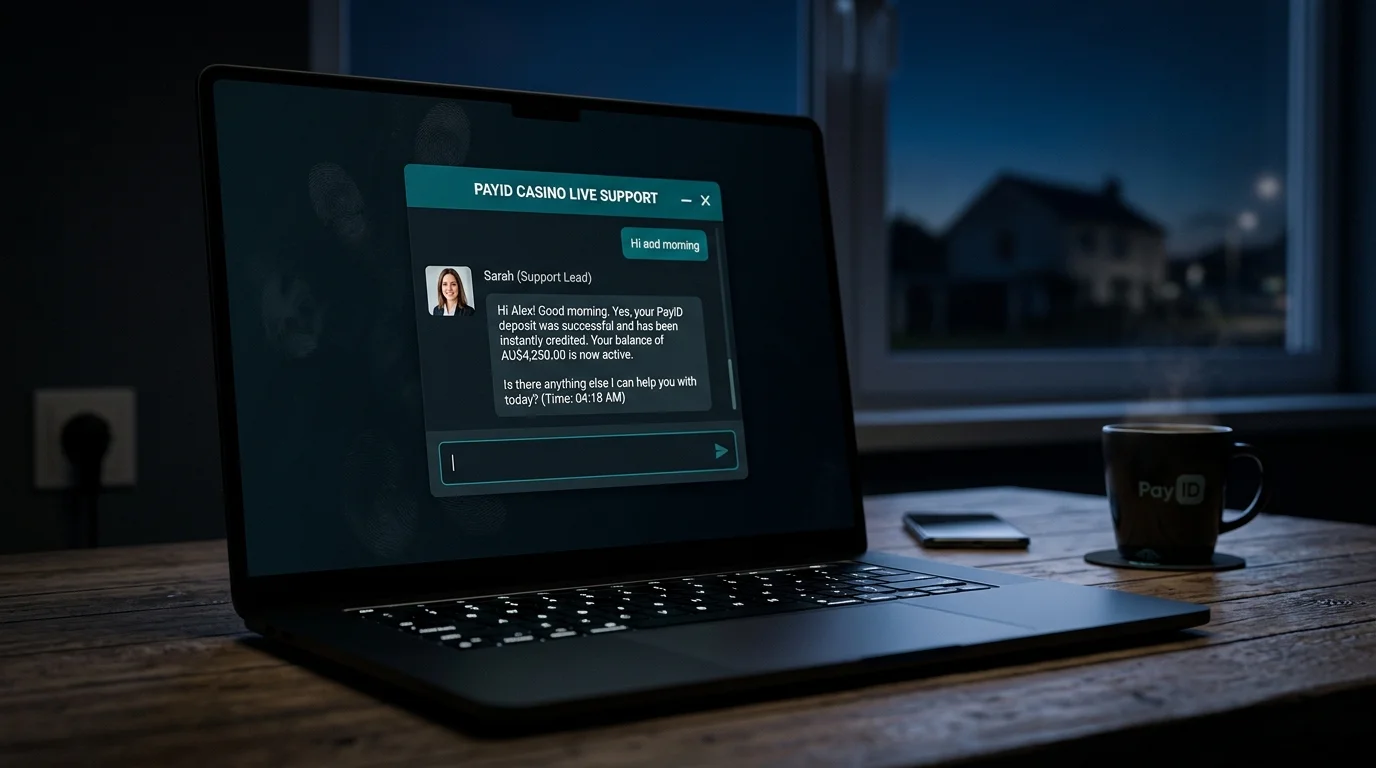
The single most useful test I run on any new operator costs nothing and takes ninety seconds. I open the live chat at 3 AM Sydney time and ask a routine question — something like “what’s the maximum PayID withdrawal in a single transaction?” The response time, the language quality, and the actual content of the answer tell me more about the operator than every other marketing claim combined. Some operators answer in under a minute with the correct figure. Some respond after twenty minutes with a generic copy-paste. Some never respond at all until European business hours roll back around.
Customer support quality is the single non-advertised differentiator that separates working operators from broken ones. Welcome bonuses get marketed. Game catalogues get marketed. PayID compatibility gets marketed. The 3 AM AEST response time gets nothing — and that absence of marketing is exactly why it tells you what is real.
The standard channel mix is live chat, email, in-app messaging, and (rarely) telephone. The presence and absence of each tells you something about the operator’s seriousness.
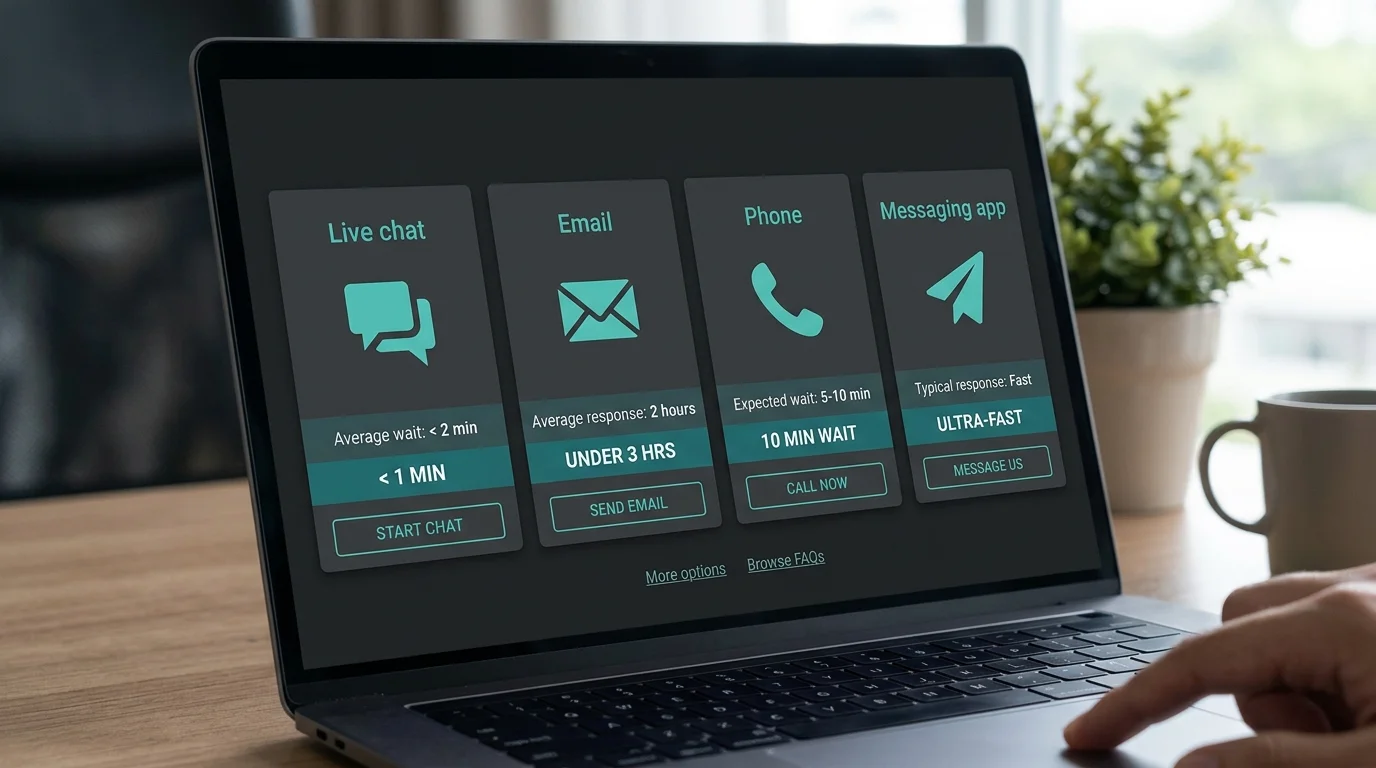
Live chat is the only channel that matters in real time. Every functional operator has it, embedded directly in the cashier and accessible without login on the public site. The quality split is between operators running staffed live chat (real human responses, persistent conversation history, ticket numbers) versus those running chatbot-first with a human escalation path that takes 5 to 15 minutes to engage.
Email is the asynchronous fallback for issues needing attachments or longer write-ups — KYC document submission, withdrawal verification disputes, bonus calculation queries. Response times of 6 to 24 hours are normal. Over 48 hours is a soft fail, over 72 hours is a hard fail.
In-app messaging via private inbox is usually where bonus offers, account warnings, and KYC requests land. Worth checking every login. Telephone is rare offshore — most operators do not run AU phone lines because cost-benefit does not work. Telegram-only support is the inverse signal: an operator running support exclusively through Telegram is almost certainly unlicensed and worth avoiding regardless of other quality signals.
This is the part of the support spec that nobody bothers to verify, and it is where the largest quality gap sits. The Australian online casino market sits at US$1,657.2M in 2024, with operators competing increasingly on AU-specific service quality — and the operators that have actually invested in AEST coverage are recognisable from the operators that just claim it.
The honest taxonomy: a small minority of operators run genuine 24/7 staffed support with multiple time-zone shifts and AEST-business-hours equivalents. These are the operators with response times under three minutes between 9 AM and 11 PM AEST and under ten minutes between 11 PM and 9 AM AEST. The European-shift operators run their support from CET business hours, which translates to roughly 5 PM AEST to 3 AM AEST coverage and an effective dead zone from 3 AM to 5 PM Sydney time. They will tell you their support is 24/7 because someone is technically online during the European day — but if you submit a ticket at noon AEST, you wait until 8 PM for the response.
The third tier runs European business hours only, with overnight coverage handled by a skeleton team or a chatbot. The chatbot tier is the most frustrating because the bot accepts the message, generates a ticket number, and disappears — leaving the impression that the issue is being worked when nothing is happening.
The test is simple. Send three live chat queries: 9 AM AEST, 4 PM AEST, 3 AM AEST. Measure the response times. Operators that hit under five minutes on all three are running real 24/7 support. Operators that hit fast on the first two and slow on the third are running European shifts. Operators that fail on the 3 AM test are not operating in your time zone in any practical sense.
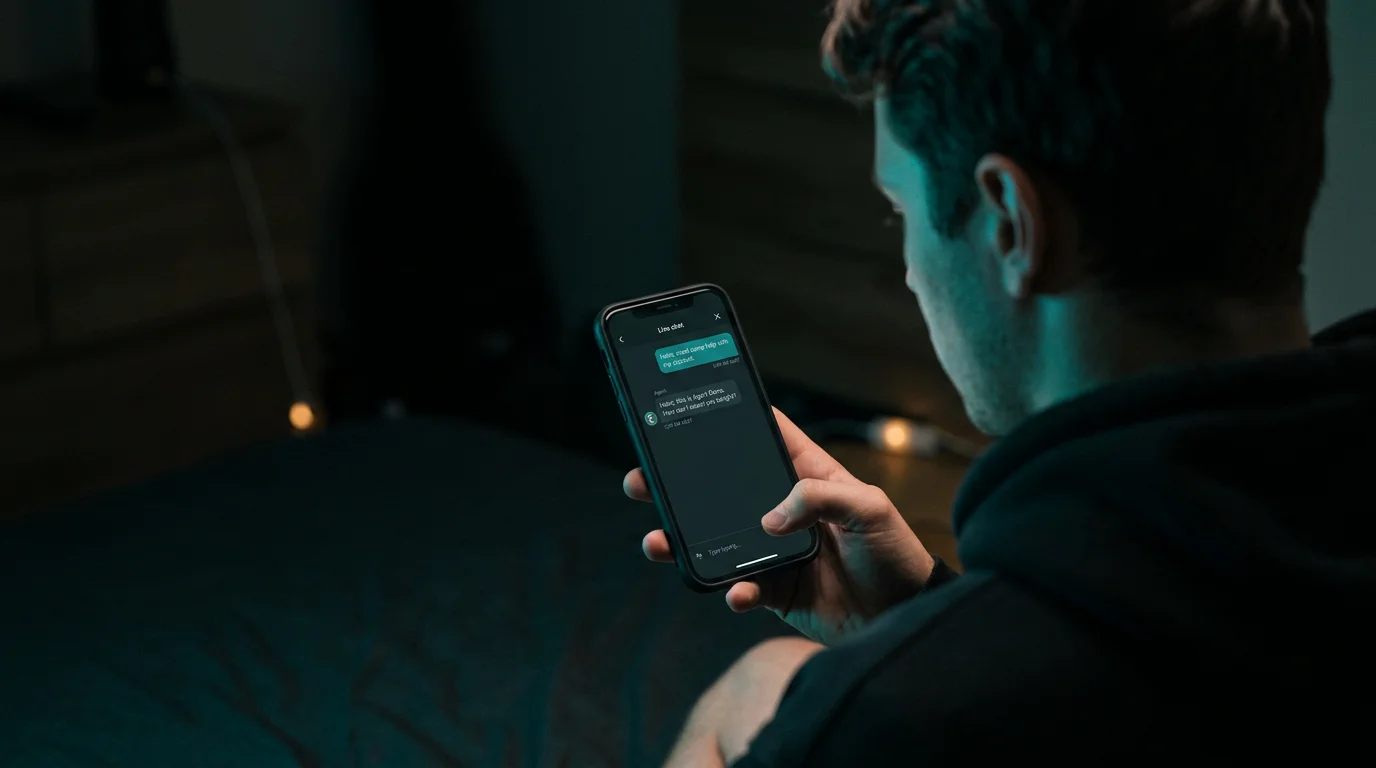
Live chat response times in the healthy operator range sit between 30 seconds and 5 minutes for first response, regardless of time of day. The 30-second response is usually a chatbot pre-screen — real agent handover happens within another minute or two at functional operators.
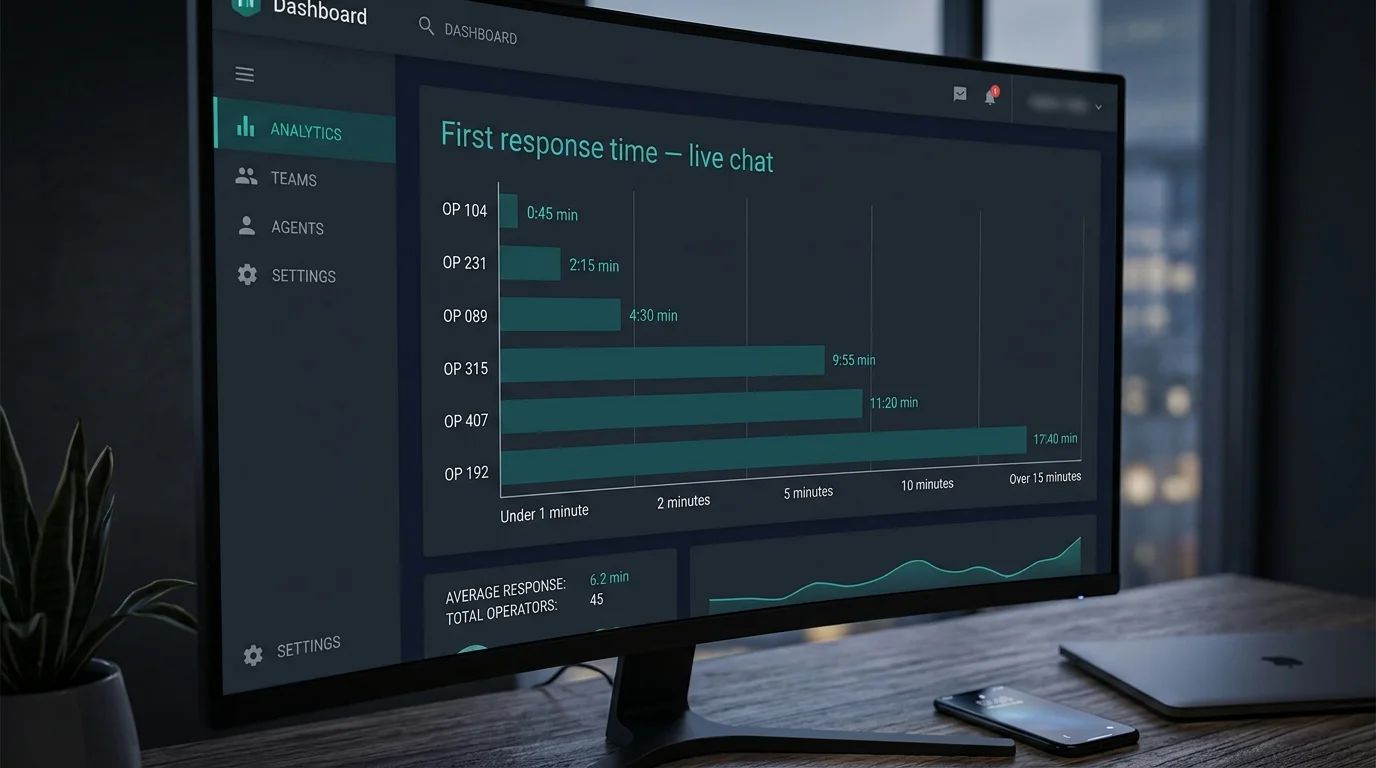
The conversation rhythm matters more than the first-touch time. A functional support interaction proceeds in 30 to 90 second message intervals, with the agent reading the question, checking the account, and giving a specific answer. Broken support runs on 5 to 15 minute message intervals with generic responses that do not address the specific question. The latter pattern usually means a single agent is juggling 8 to 12 chats simultaneously, none of which gets meaningful attention.
Email response benchmarks vary by query type. Routine questions: 6 to 12 hours. KYC document confirmation: 24 to 48 hours. Withdrawal escalation: 12 to 24 hours. Bonus dispute or balance investigation: 48 to 72 hours. Anything that pushes past these windows by more than 50 per cent is a sign the operator’s support function is under-resourced.
The pattern that signals an operator under stress is response time degradation over the course of a week. Mondays get fast responses, by Thursday the queue has built up and live chat is at 15 minute waits, by Friday email goes 72-hour silent. Sustained operators do not show this pattern because their resourcing matches demand.
Escalation paths matter when support fails. The ladder runs: front-line live chat → shift supervisor → VIP/account manager → operator’s compliance team → licensor → ACMA → AFCA-equivalent disputes process. Knowing which rung applies to which problem saves substantial time.
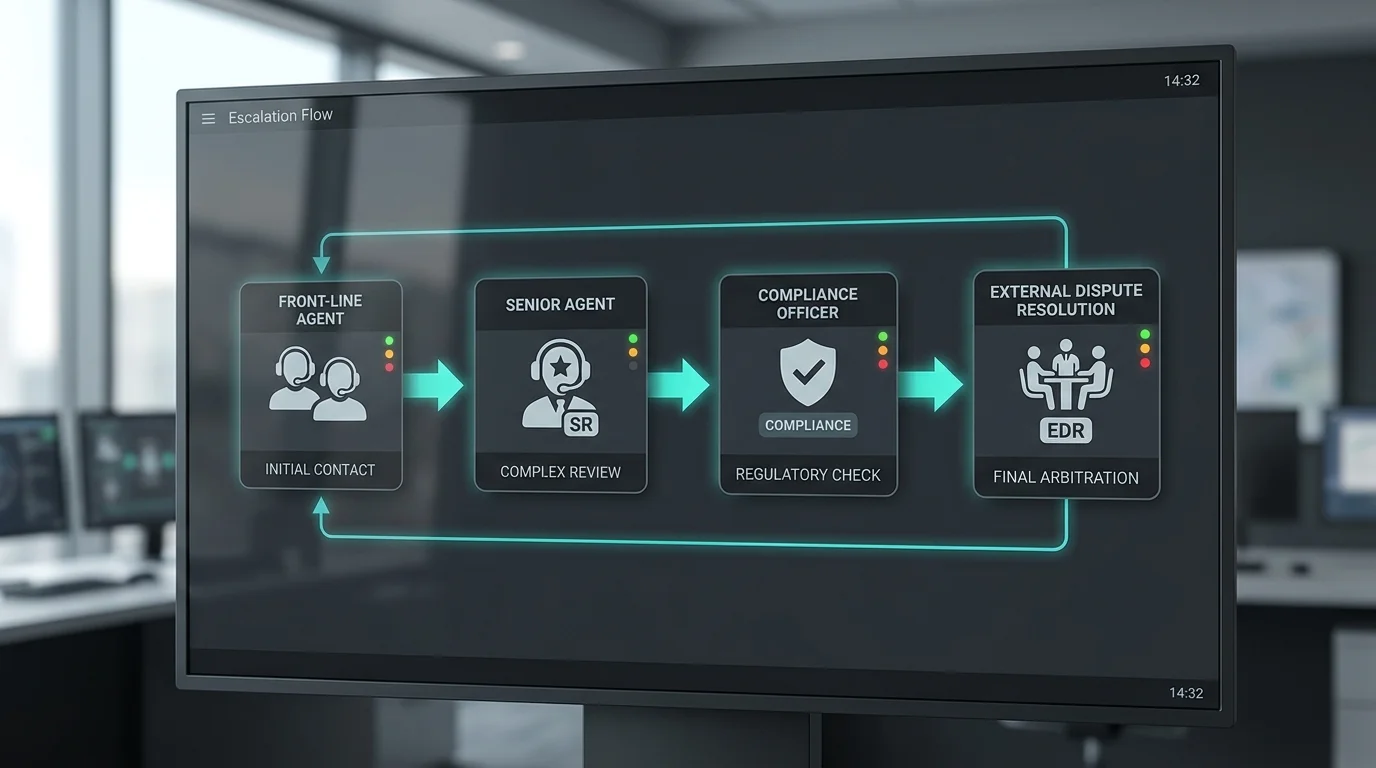
Front-line is for routine questions and standard transaction issues. Supervisor escalation is appropriate when front-line cannot resolve in two rounds. VIP manager escalation applies for higher-tier accounts and is usually the fastest path to action because the manager has authority that floor agents lack. Compliance team escalation is for KYC disputes, source-of-funds issues, and withdrawal verification — these are not solvable by support agents because the underlying decisions are not theirs.
Above the operator, the licensor (Curaçao, Anjouan, Kahnawake) accepts disputes and the better ones investigate. ACMA Q3 2025 logged 411 complaints, with breaches found in 28 of 29 investigations and 350 falling under the IGA — ACMA is genuinely active on offshore operator behaviour even though direct enforcement against non-AU entities is limited. Filing an ACMA complaint takes 15 minutes and adds the operator to formal complaint statistics, which has knock-on effects on banking and payment processor relationships.
The reform pressure is also worth understanding. Prime Minister Anthony Albanese has committed publicly to “comprehensive gambling reform” in this parliamentary cycle, which has shifted enforcement intensity even before legislation lands. Operators that misbehave in 2026 face a meaningfully different posture than the same misbehaviour would have faced in 2023. Before escalating, work through the deposit-declined troubleshooting before escalation — most issues resolve at the diagnostic layer without needing to climb the support ladder.
Support red flags are observable before any money moves. Live chat that opens with a deposit promotion is the first signal — legitimate support waits for the player to state the problem. Aggressive deposit pressure during a routine question is the second — agents who pivot every conversation toward funding the account are working on conversion targets, not support resolution.
Telegram-only support is a hard fail. The reason is jurisdictional: operators using Telegram are doing so because it leaves no audit trail and allows them to disappear with no recoverable communication history. Any operator that asks you to move to Telegram during an active support issue is signalling intent to evade accountability.
Promises of “instant” or “guaranteed” withdrawal during a support exchange are red flags because the underlying compliance and AML processes that govern withdrawals do not allow guarantees — any agent who makes one is either lying or empowered to override compliance, which is itself a bigger red flag. Aggressive tone, broken English with phrases that look machine-translated, agents who change name mid-conversation, agents who refuse to provide a ticket number — all signals of low-quality outsourced support without internal accountability.
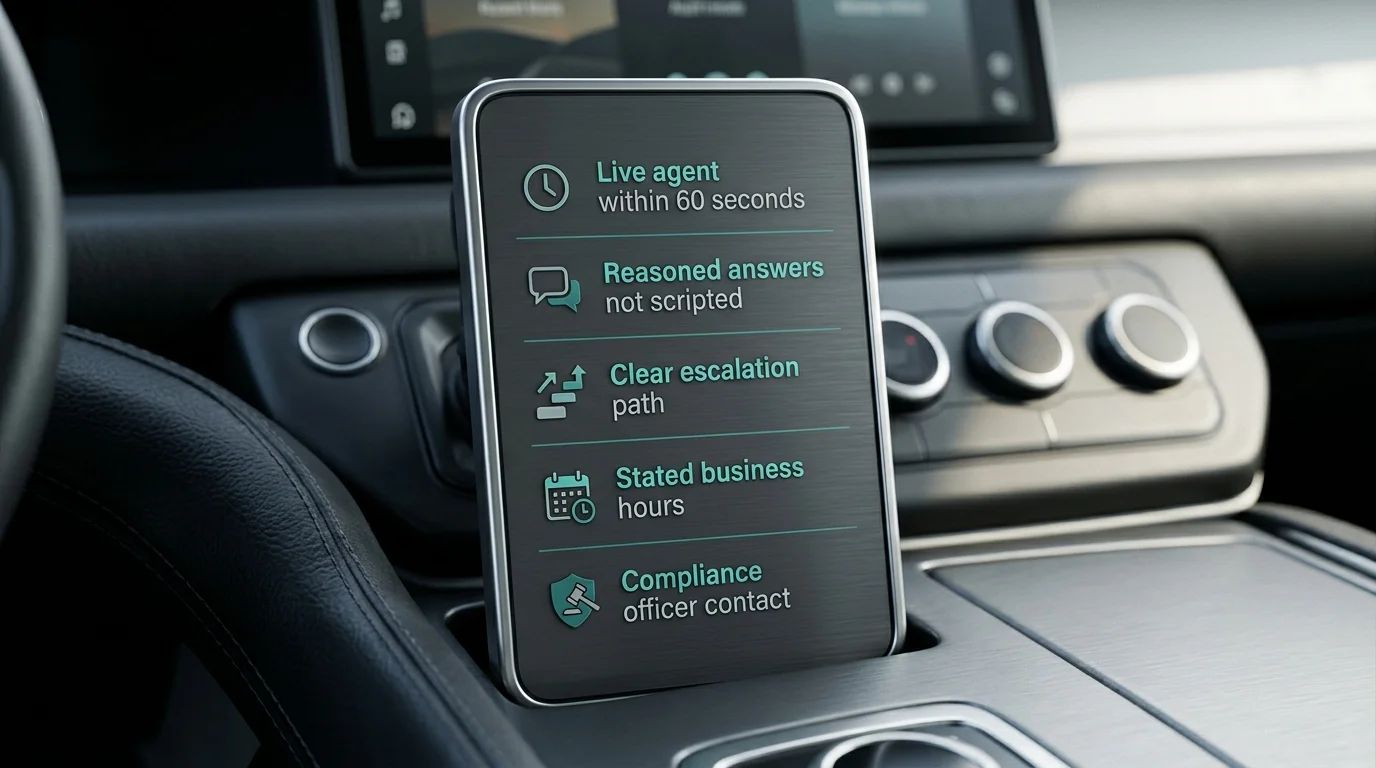
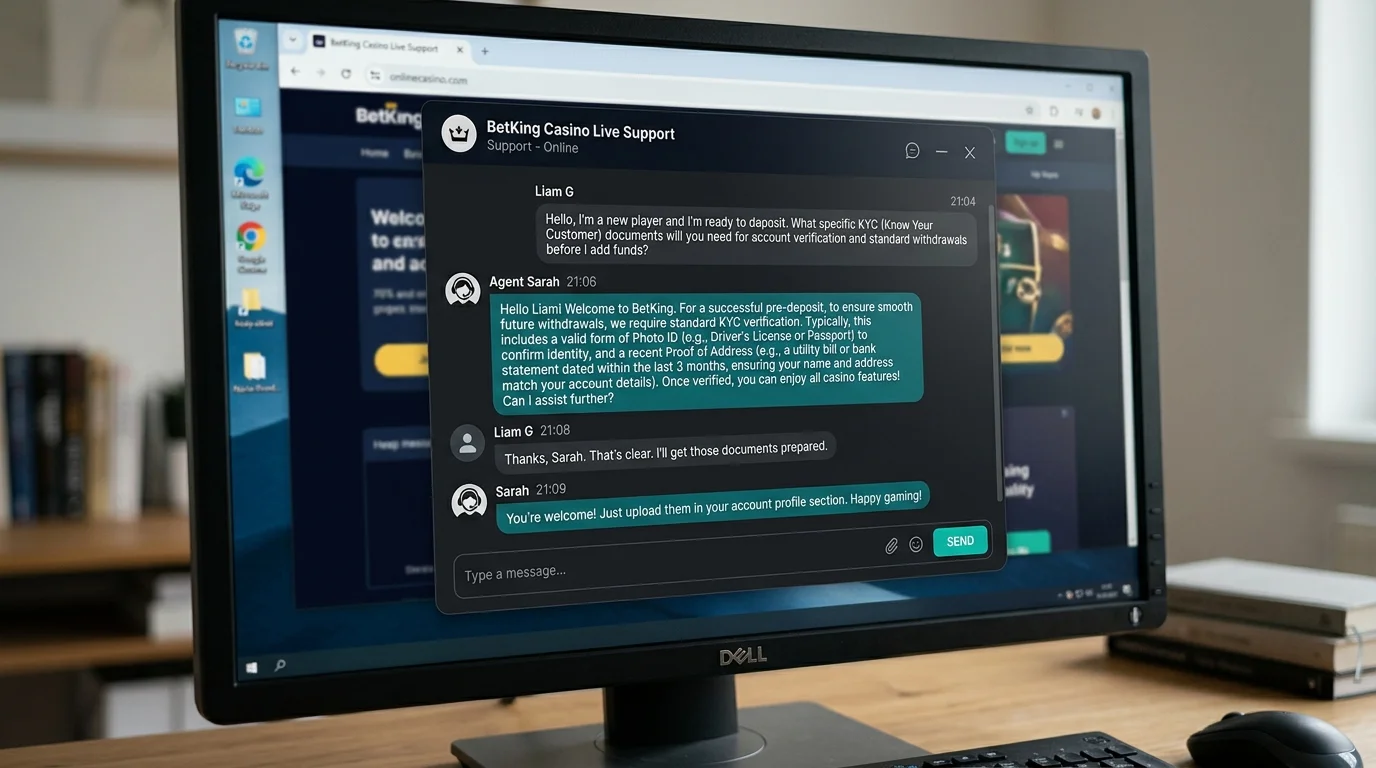
Positive signals are equally observable. Agents who introduce themselves by name and provide a ticket number on first message. Specific answers with actual figures. Polite tone with no deposit pressure. Willingness to escalate if a query cannot be resolved at the front line.
Run the support test first. Send a query, time the response, observe the conversation quality, ask one question whose answer you already know — PayID minimum, for instance — and see if the agent gets it right. Ten minutes, and it reveals more about the operator than the welcome bonus, the game catalogue, or the lobby design ever could. Operators that pass consistently are the ones that resolve your stuck withdrawal at 11 PM on a Saturday. Operators that fail will leave you on hold for three days while A$1,500 sits in compliance limbo.
Why the device choice matters less than the platform policies behind it The question I get from readers more often than almost any other is whether they should switch phones…
Where the actual money leaks out of a PayID session The cleanest…
The smallest deposit is a test, not a strategy I tell every…
Where the actual ceiling on your payouts sits A player who has…
Published by the casinopayidau.com team.