NAB PayID Casino Transactions
Why NAB sits in a category of its own among the Big Four NAB joined PayID in 2018 alongside the rest of the Big Four, but the bank's casino-deposit experience…

Where Aussies find the biggest Realtime Gaming catalogue with PayID deposits: top RTG titles, RTPs, jackpots and PayID-friendly operators
 Available in AU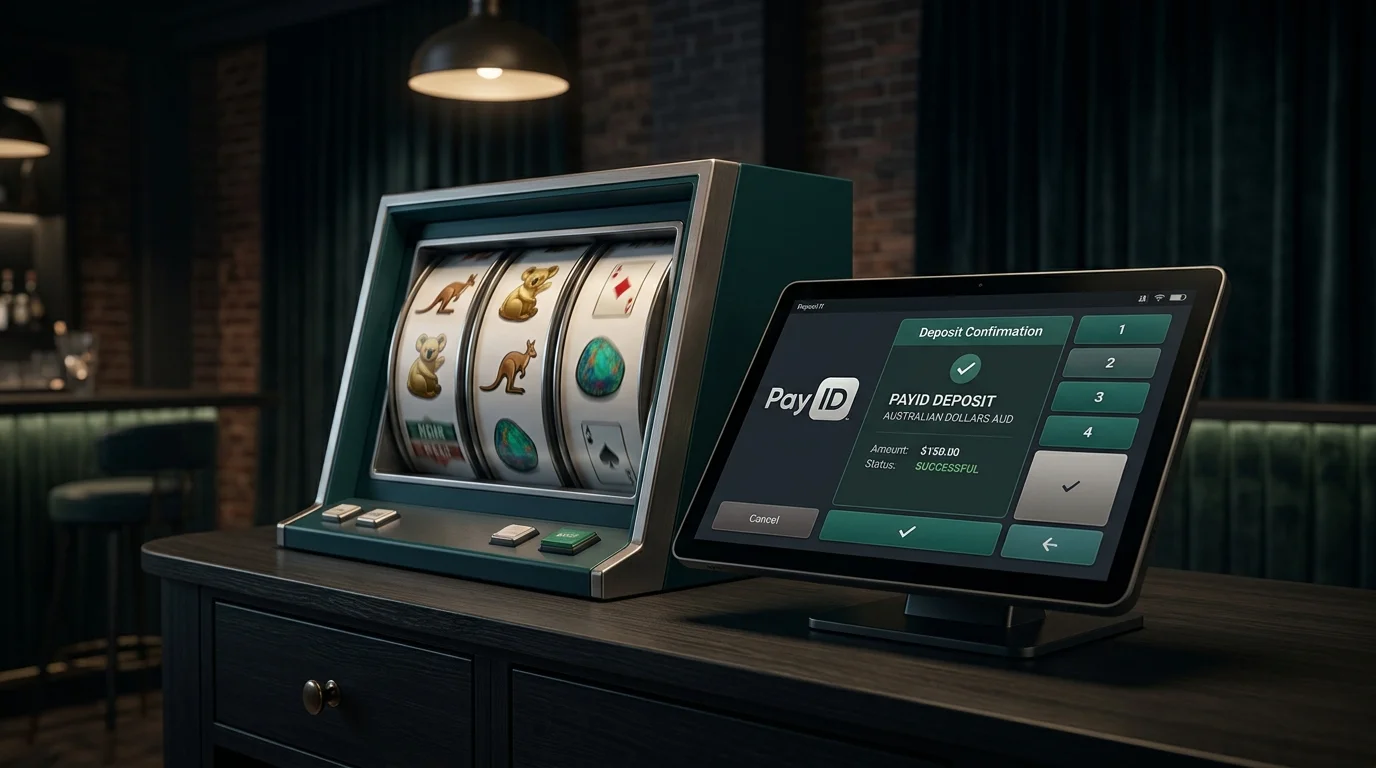
Walk into any AU-facing offshore casino with a long history and you will find Realtime Gaming titles populating a section of the lobby that has been there longer than most of the other providers combined. RTG has been delivering to Australian-facing operators since the POLi era — the years when bank transfers were the dominant deposit rail and offshore casinos were just establishing the patterns that PayID would later inherit. Australian players who started with online casinos before 2018 will recognise RTG titles instantly because the visual style, the bonus mechanics, and the volatility profile have all been calibrated for a specific player segment that has not changed much in fifteen years.
This piece walks through why RTG remains relevant in 2026, the titles worth knowing, the average RTP picture against competitors, the operator landscape, and how RTG-PayID bonus packages tend to be structured. RTG is not the highest-RTP catalogue, not the most innovative, and not the most visually contemporary — but it occupies a particular emotional and operational niche that no other provider has displaced.
RTG titles share three characteristics that map cleanly to Australian player preferences. First, high volatility. The standard RTG title runs higher volatility than the typical Pragmatic Play or NetEnt slot — meaning longer dry stretches punctuated by larger hits. Australian pokies players, conditioned by years of land-based machine variance, are more comfortable with this profile than European players who tend to prefer smoother medium-volatility games.

Second, recognisable thematics. RTG runs heavy on the action-adventure, mythological, and animal-themed catalogue lines that resemble the visual language of Australian pub pokies. Aristocrat and IGT, who supply most land-based AU machines, built a visual style around bold colours, character-led themes, and feature-driven bonus rounds. RTG’s catalogue reads as the online cousin of that style — not coincidentally, because RTG explicitly targets the Australian-facing offshore market.
Third, progressive jackpot networks. The Australian online casino market sits at US$1,657.2M in 2024, and RTG operates one of the larger cross-operator progressive networks specifically targeted at this market. Megasaur, Aztec’s Millions, and Caesar’s Empire share progressive pools that accumulate across multiple RTG-licensed operators, with jackpots regularly hitting six-figure AUD values. The progressive structure means a single A$3 spin can theoretically pay A$500,000 — that asymmetry is what keeps RTG players returning even when individual-game RTP is below the catalogue average.
Bubble Bubble, originally released in 2016 and refreshed since, is the witch-themed RTG flagship. Three-tier free spins structure, expanding wilds, and a progressive jackpot pool. The volatility is high but the feature trigger rate keeps the game session-friendly enough for moderate bankrolls. It remains in the top five most-played RTG titles in AU-facing operators by my tracking.
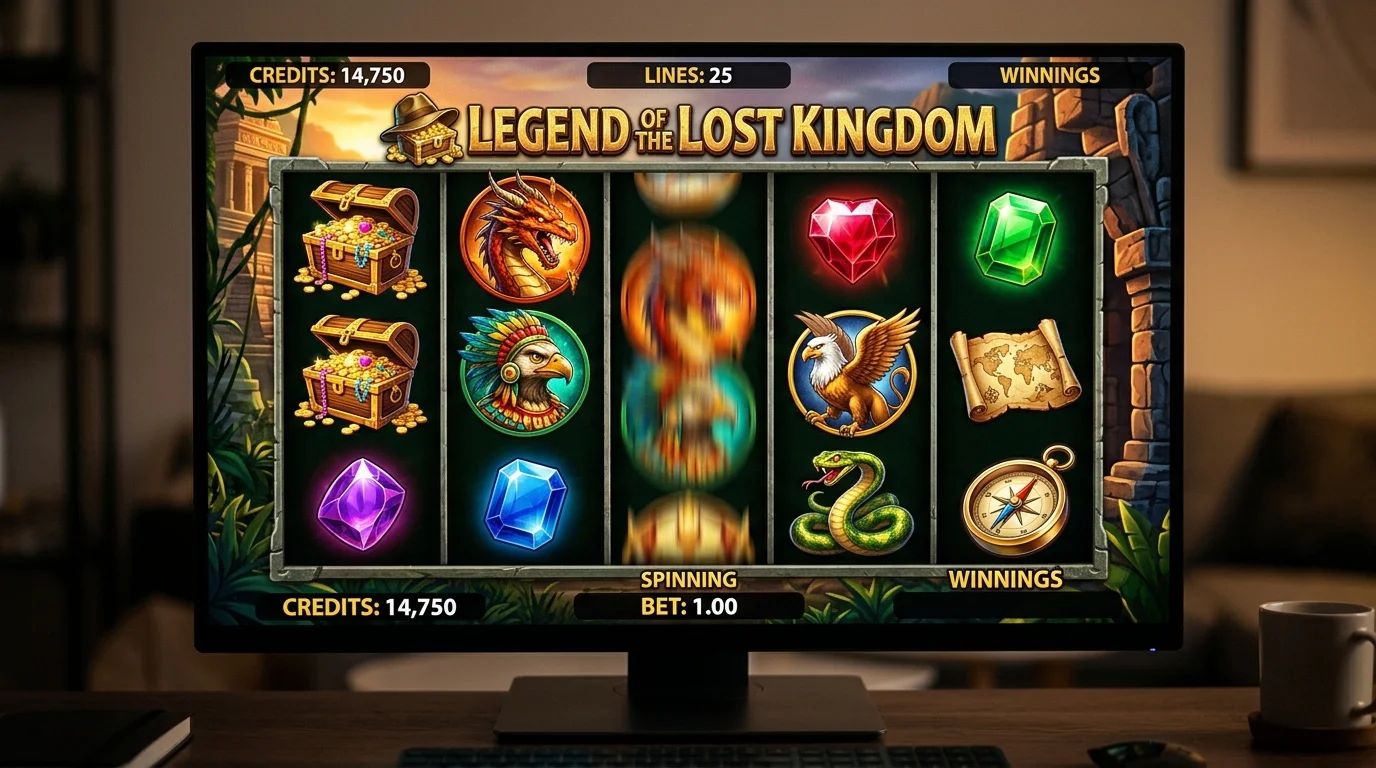
Cash Bandits 3 is the third instalment in the bank-heist series and the entry that hit the formula correctly. The free spins round has a vault-cracking mini-game where each combination unlocked adds multipliers and free spin counts. The maximum free spin count is 190 spins at 23x multiplier, which is the kind of outsized payout structure RTG is known for. Players hunt this game specifically for the bonus trigger.
Megasaur is the dinosaur-themed progressive jackpot title that has sat in the top 10 RTG titles in AU operators for nearly a decade. The progressive pool resets at a guaranteed minimum and grows with every spin across the network. Sustained appeal because the jackpot must hit by a defined value, which keeps the title relevant even when individual spin RTP is below average.
Wild Hog Luau is the Pacific-themed title with bonus mechanics involving a wild boar character. Lower volatility than the catalogue average, which makes it a popular wagering-clear title for players working through bonus requirements at RTG-friendly operators.
Achilles Deluxe, an update of the long-running Achilles series, runs Greek mythology themes with a 100x maximum win multiplier in the bonus round. The Deluxe version added a re-trigger mechanic that pushes session times longer than the original. For broader context on the rest of the pokies catalogue beyond RTG, see broader pokies portfolio overview.
The average RTP across RTG titles sits around 94 to 96 per cent, which places the catalogue roughly one percentage point below Pragmatic Play, NetEnt, and Microgaming averages, and two points below the higher-RTP boutique studios like Push Gaming or Hacksaw. The gap is consistent enough across the catalogue that RTG-heavy players generate measurably worse expected value than equivalent-volume players at higher-RTP providers.
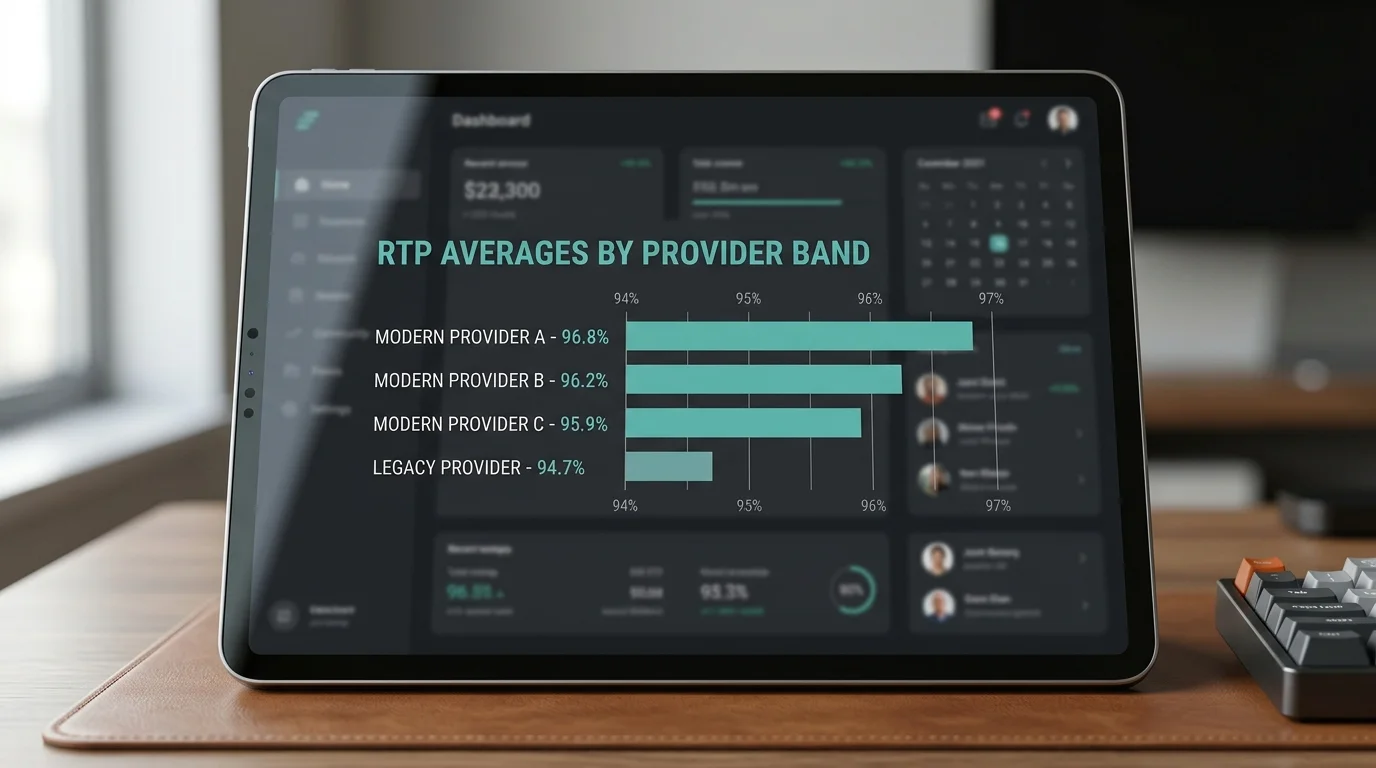
The trade-off RTG offers in exchange for the lower average is variance — the progressive jackpots and high-volatility bonus structures produce a wider distribution of session outcomes. A player at a 94 per cent RTG title loses more on average than a player at a 96 per cent Pragmatic title, but the RTG player has a meaningfully higher chance of a large single-session win.
Whether the trade is worth taking depends on the player’s preference structure. Players optimising for expected value should play higher-RTP providers. Players optimising for the chance of a large hit — the “dream win” experience — are getting what RTG is specifically designed to deliver. Both are valid choices, but understanding which trade you are making matters more than chasing the headline numbers either way.
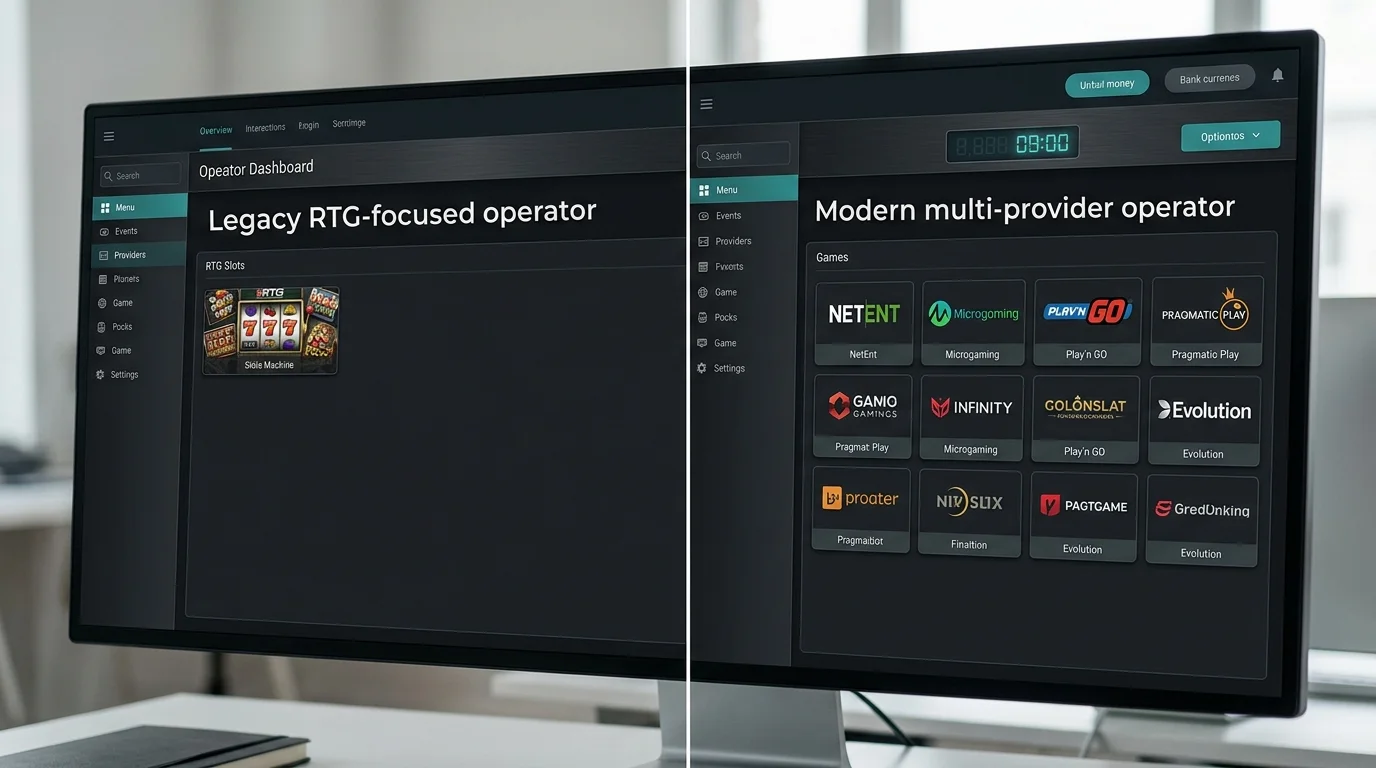
The Australian online gambling market reached US$5.5 billion in 2025 with projected growth to US$9.0 billion by 2034 at a 5.67% CAGR — the market is large enough that operators specialising in the RTG-loyal player segment can sustain themselves on RTG-focused catalogues alone. Several long-running AU-facing operators have built their primary game library around RTG and supplement with other providers as second-tier content.
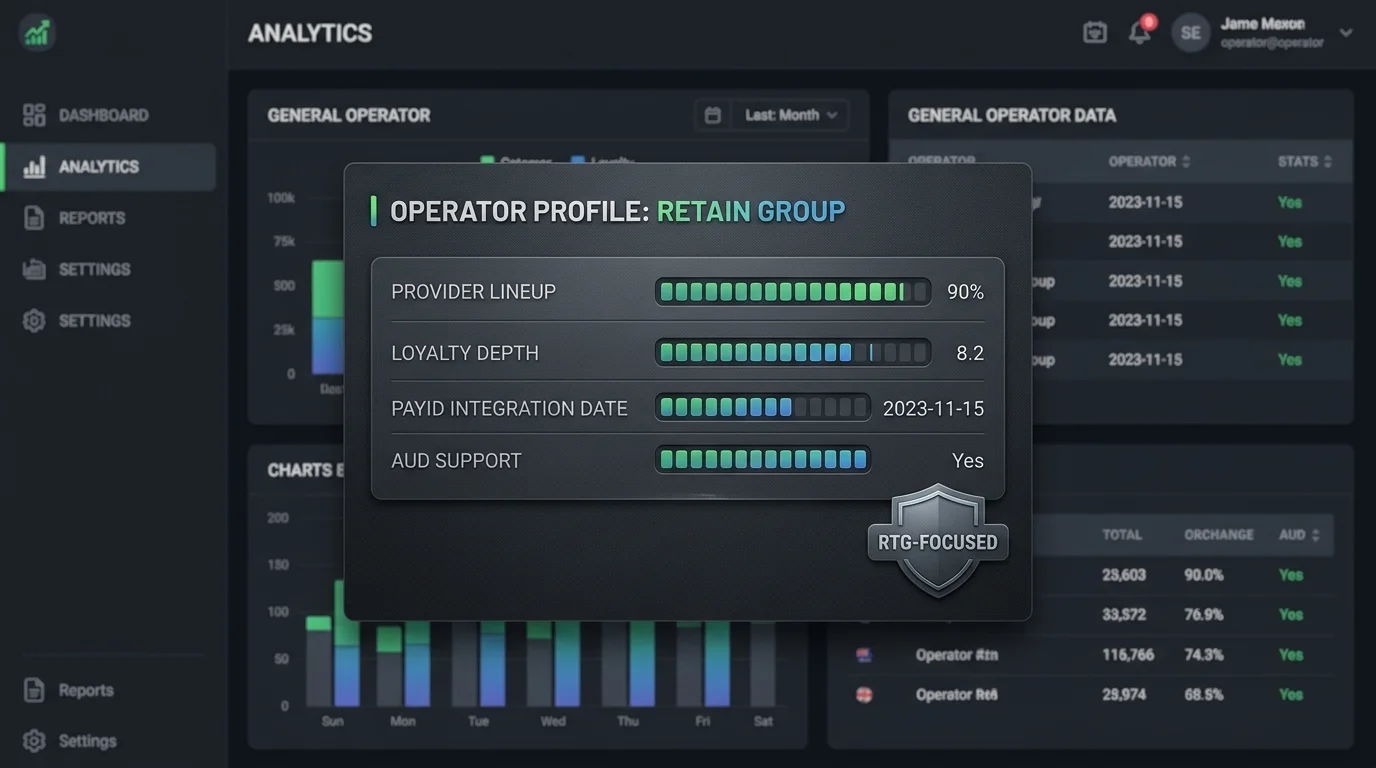
The recognisable profile of an RTG-PayID operator: 100+ RTG titles in the lobby, including all of the progressive jackpot games and the long-tail back-catalogue. PayID listed as the first deposit option in the cashier. Welcome bonus structured around RTG-specific free spins on flagship titles. Loyalty programme that gives bonus credit on RTG slot turnover specifically, sometimes at higher rates than non-RTG content.
Operators running RTG as a token offering — 10 to 20 titles bolted onto a Pragmatic-led catalogue — are not the same proposition. The full RTG experience requires the depth of the back-catalogue and the progressive jackpot integration, both of which only operators that have committed to RTG as a primary partner actually deliver. Players hunting specifically for RTG content should verify the title count before depositing, because the operator’s own catalogue page sometimes overstates the breadth.
RTG-focused operators run welcome bonuses that lean on RTG-specific free spins more aggressively than the generalist competitors. A typical RTG-PayID welcome package might be: 250% match up to A$2,500 plus 50 free spins on Bubble Bubble or Cash Bandits 3, with the free spins released across the first three deposits. The wagering on the match is 40x on deposit-plus-bonus; the wagering on the free spin winnings is 30x on the winnings amount, calculated separately.
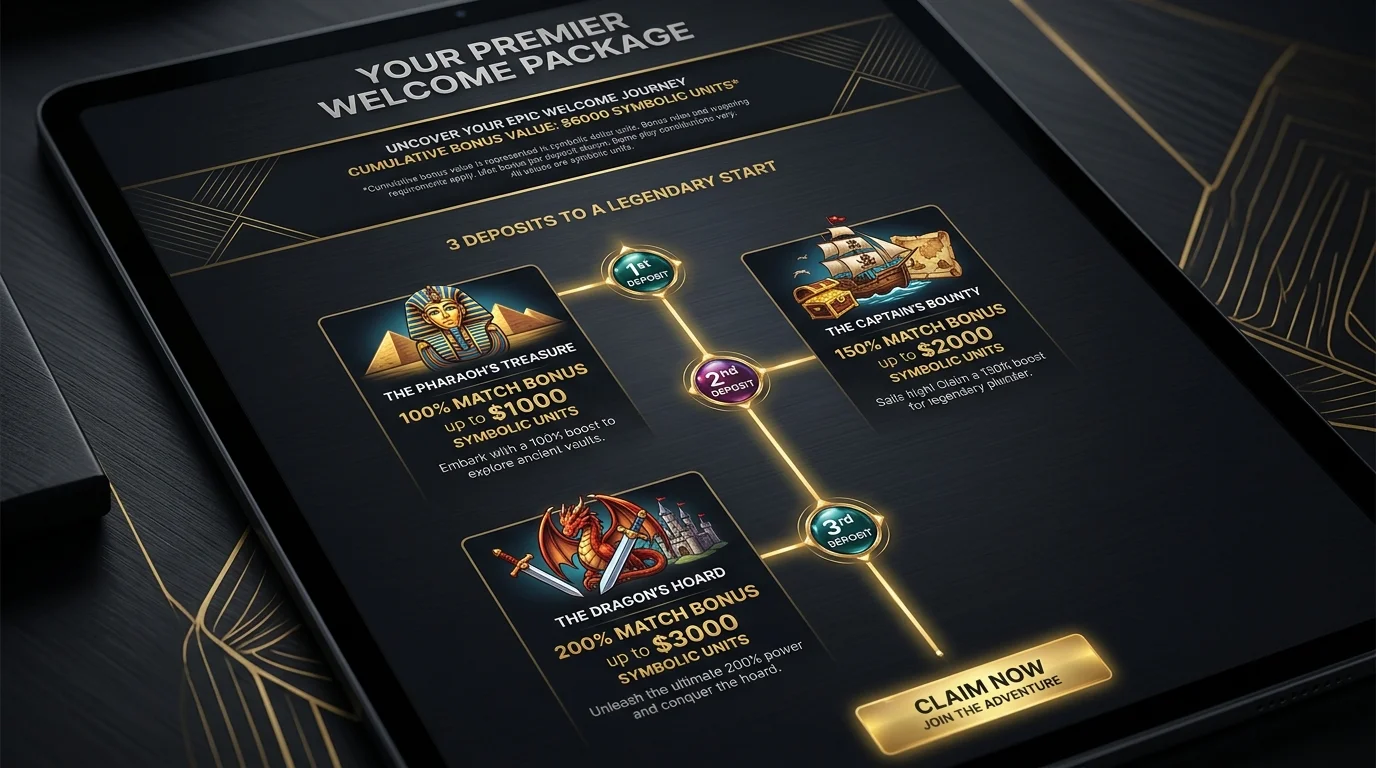
The free spin component is the part worth scrutinising. Free spins on a specific named title have a fixed bet size — usually A$0.50 to A$2 per spin — and the winnings are credited to the bonus balance for wagering. The expected value of 50 free spins at A$1 fixed bet on a 95% RTP title is around A$50 in gross winnings, which becomes A$10 to A$15 in withdrawable cash after wagering clears.
The reload bonuses at RTG-focused operators are often more generous than welcome bonuses in expected-value terms — typically 100% to 150% match with 25x to 30x wagering, which is closer to neutral expected value than the 40x welcome offer. Players who treat the welcome bonus as a one-time entry and then optimise around reload bonuses are usually capturing the better economics.
The combination of RTG and PayID is a niche but stable proposition. The RTG catalogue does not produce the highest expected value, the most contemporary visuals, or the most innovative mechanics. It produces a recognisable Australian pokies experience with progressive jackpot upside and high-variance session outcomes. PayID provides the fast, fee-free deposit rail that matches the rhythm of slot play. Players who came up on Australian pub pokies and want the online equivalent will find RTG titles delivering exactly that emotional shape. Players who came to online casinos through European-facing providers may find RTG visually dated and statistically suboptimal — which is also a fair reading. Both views describe the same product accurately; the question is which experience you are looking for.
Why NAB sits in a category of its own among the Big Four NAB joined PayID in 2018 alongside the rest of the Big Four, but the bank's casino-deposit experience…
Free spins look simple — the economics aren't Free spins are the…
Two limit ceilings sit between you and the cashier A reader emailed…
Why you'll never find a native casino app on your phone The…
Published by the casinopayidau.com team.