PayID Casino KYC Verification
The verification you can skip until your first cashout The single biggest source of player frustration I see in the PayID segment isn't a slow deposit, a declined transfer, or…

No-deposit and welcome free-spin offers at PayID casinos for Aussies: spin value, eligible pokies, wagering on winnings and expiration windows
 Available in AU
Free spins are the bonus type I get asked about most often, and they’re also the one that gets misunderstood most consistently. The pitch is elegant: spin a pokie at no cost, keep what you win. The reality has three or four layers of structural conditions sitting underneath the headline number, and most players don’t see those layers until the cashout button refuses to engage.
The good news is that free spins remain one of the more honest offers in the PayID-friendly segment when you read them properly. The win mechanics are visible — you see each spin, you see the outcome, you see the cumulative balance grow or stall. What you don’t see without reading the T&C is the spin value, the eligible-pokie restriction, the wagering applied to whatever you win, the cashout cap, and the expiration window. This article unpacks each of those layers so you can value a “100 free spins” offer in seconds rather than minutes.
Every free spin has a notional bet value attached. The operator decides what that value is, locks it to a specific pokie, and pays out wins as if you had wagered that amount per spin. The standard range I see in 2026 sits between A$0.10 and A$0.50 per spin. A “100 free spins” offer at A$0.10 per spin gives you A$10 in notional wagering value. At A$0.50, it’s A$50. These two offers are functionally five times apart in expected return, despite both reading as “100 free spins” in the welcome popup.

The spin value is usually listed under the offer details or buried in the bonus T&C; it almost never appears in the marketing copy. Always check it before committing. A 200-spin offer at A$0.10 is worth less in expected value than a 50-spin offer at A$0.50. The bigger spin-count headline is the one operators choose to lead with.
The eligible pokie is the second variable. Operators pick the pokie; you don’t. Usually it’s a Pragmatic Play or Realtime Gaming title the operator wants to promote, sometimes a new release. The pokie’s RTP and volatility determine how the spins actually play out. A 96.5% RTP medium-volatility pokie pays the spin value back closer to expected; a high-volatility title might give you nothing for 80 spins and then drop an A$200 hit on spin 81.
Free spins without any deposit at all live in roughly the same category as no-deposit cash bonuses — uncommon but present. The numbers tend to cluster between 20 and 100 spins on a fresh account, with cashout caps that sit at A$50 to A$100 regardless of how lucky the spin sequence gets. That cap is the dominant constraint. A 50-spin no-deposit offer at A$0.20 per spin with an A$50 cashout cap is essentially capped at A$50 of upside, regardless of whether the spins return A$60 or A$600 in raw winnings.

The structural reason for the cap is the same as with no-deposit cash: operator economics. The minimum funded deposit in the segment sits at A$10 to A$30, so a no-deposit free-spin offer with an open-ended payout would be wildly more valuable than the smallest committed deposit. The cap aligns those numbers, which is the operator’s interest, not the player’s. Knowing the cap upfront is what makes the offer’s expected value calculable.
The mainstream pattern in 2026 ships free spins as an add-on to a deposit-based welcome match. The structure is consistent: deposit A$30 or more, receive your match bonus, plus 100 to 500 free spins distributed across the next five days at 20 to 100 spins per day. The distribution is deliberate — operators want you logging in daily during the first week, which lifts retention statistics and keeps you engaged through the wagering of your match bonus.
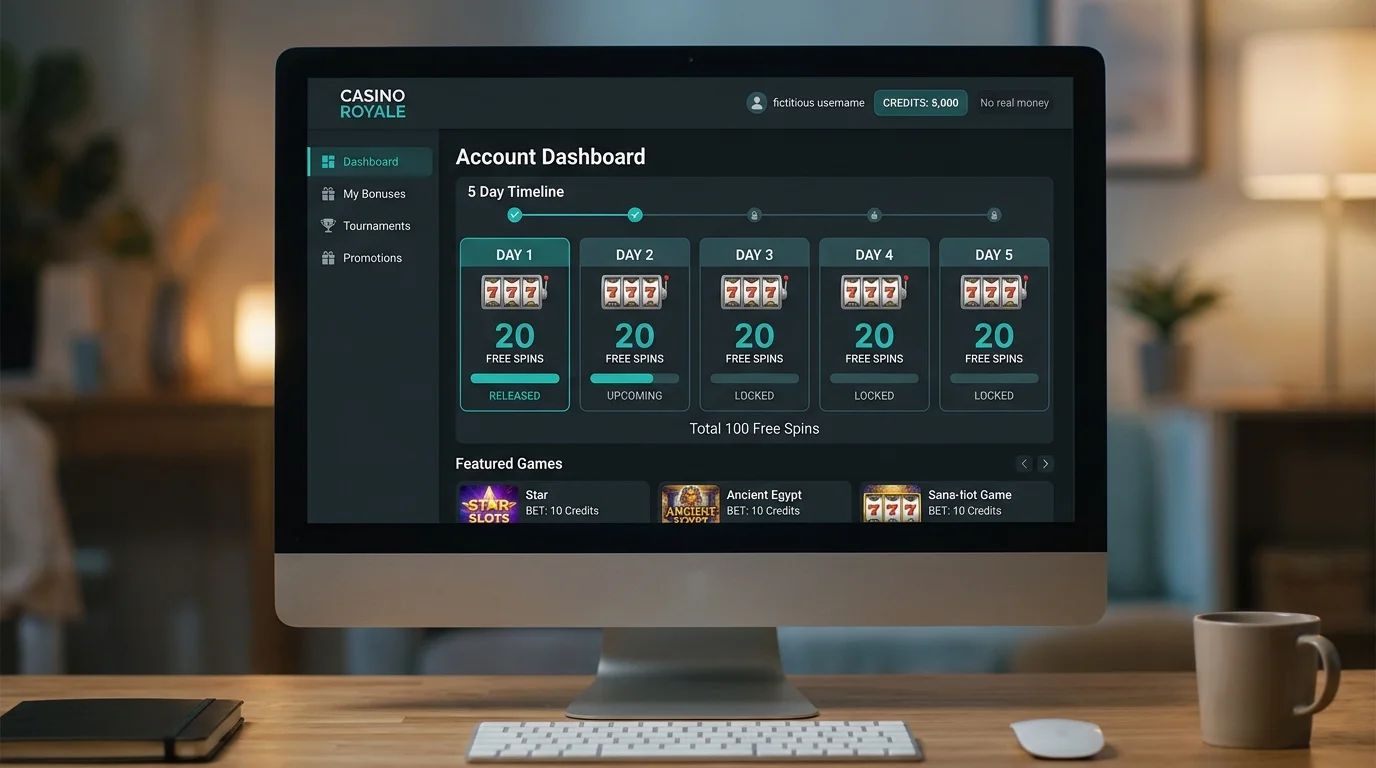
The total value can be meaningful. 500 spins at A$0.20 each is A$100 in notional wagering value layered on top of whatever match bonus you’ve claimed. The catch sits in the daily expiry: spins typically expire at 23:59 each day. Miss a day, miss those spins. That’s not a problem if you’re playing actively; it’s a hidden forfeit if you treated the welcome offer as a stockpile.
This structural shift toward staggered spin delivery tracks the broader market growth. The Australian online gambling market reached 5.5 billion USD in 2025 and is forecast to climb to 9.0 billion USD by 2034 at a CAGR of about 5.67%. Operators are competing harder for retention, not just acquisition, and time-released spin packages are one of the cleaner mechanisms they’ve found.
The retention end of the spin economy is where I see the most underrated value. Several PayID-friendly operators run “daily free spin” programmes for accounts with active deposit history — usually 10 to 30 spins per day, contingent on the account having funded within the past week or month. The spins have no wagering on winnings in some cases, or a softer 10×–20× compared to welcome offers. They’re effectively a loyalty mechanic dressed up as a recurring bonus.
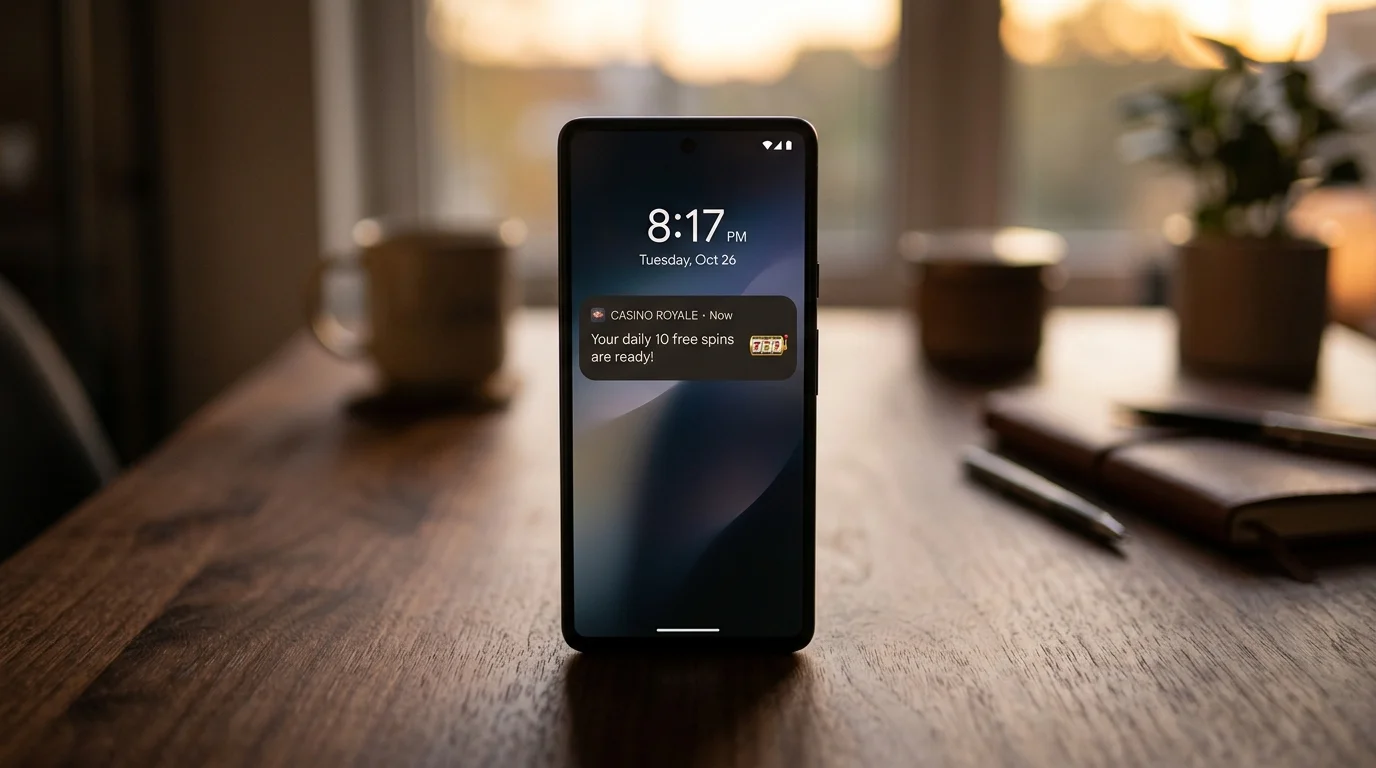
Two things to verify before relying on a daily-spins programme. First, the eligibility threshold — does it require an A$50/week deposit, or A$200/month, or just an unexpired session? Second, the eligible pokie rotation — daily spins often cycle through three or four nominated titles weekly, and a player who only enjoys one of those titles will skip half the available value. For broader context on which pokies usually anchor these rotations, the pokies free spins usually apply to piece covers the typical title set.
Here’s the structural detail that catches most players. The spins themselves are free. The winnings from those spins are not free — they’re treated as bonus credit and subject to wagering before withdrawal. The standard multiplier sits between 30× and 60× on the winnings, occasionally lower for premium operators, occasionally as high as 80× for aggressive promotional packages.
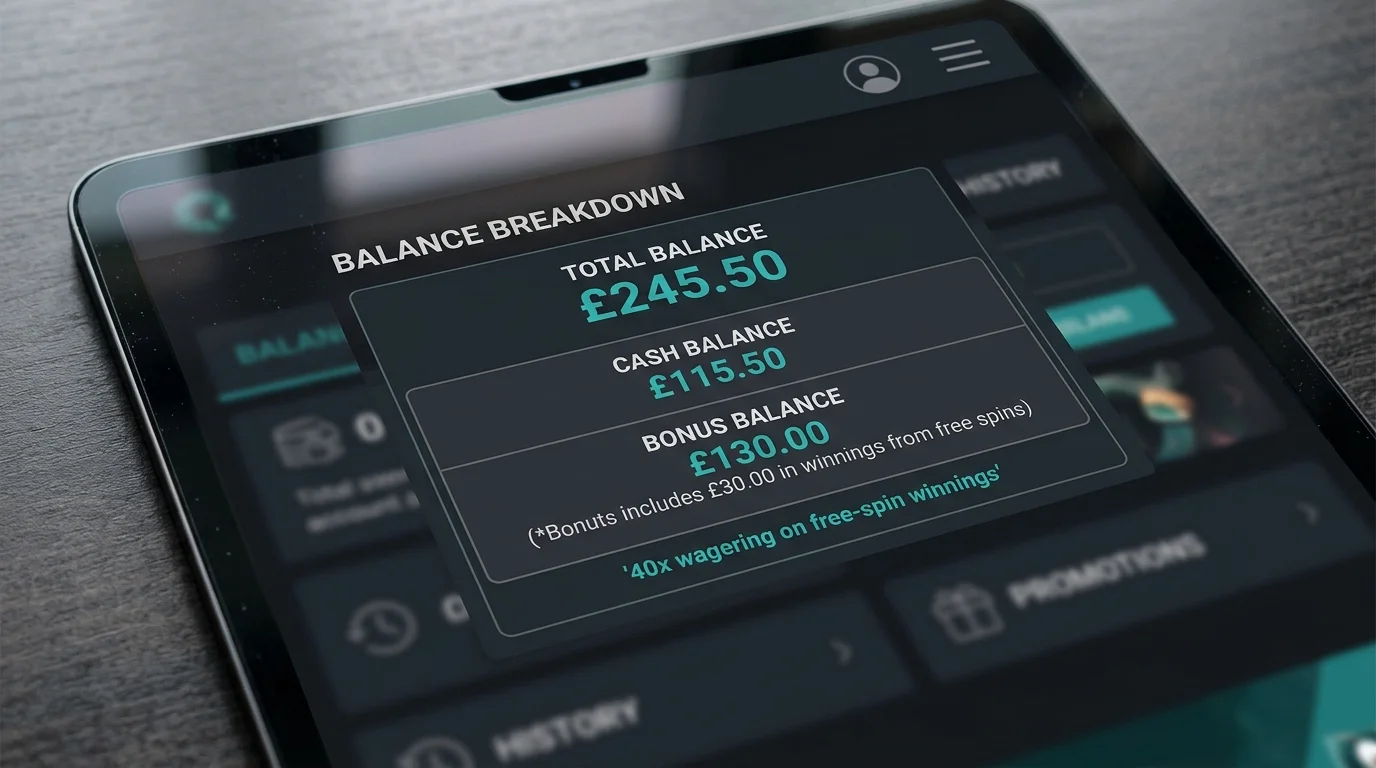
The maths is sharp. Suppose 100 free spins at A$0.20 each deliver A$28 in raw winnings — a reasonable outcome on a 96% RTP pokie. With 40× wagering on winnings, you need A$28 × 40 = A$1,120 in qualifying turnover to convert that A$28 into withdrawable cash. At A$1 per spin in the wagering phase, that’s 1,120 spins of play, during which the same 96% RTP means you’re expected to lose A$45 of your existing balance. Net expected: you’ve spent A$45 to convert A$28 of bonus into cash, even before the cashout cap kicks in.
The exception worth hunting for: “no wagering on free spin winnings.” These offers exist — they’re rare, they’re typically smaller in spin count, and they’re disproportionately valuable. Twenty spins with no wagering and an A$100 cashout cap is genuinely better than 100 spins with 40× wagering, in almost every scenario I’ve modelled.
Free spin offers earn their place when three numbers align. First, the spin value should be at or above A$0.20 — anything lower and the notional wagering is too thin to deliver meaningful winnings. Second, the wagering on winnings should sit at 30× or lower, ideally with the “no wagering” variant available. Third, the cashout cap should be at least 5× the notional wagering value of the spin pack — a 100-spin A$0.20 pack has A$20 notional value, so an A$100 cap and above is acceptable.
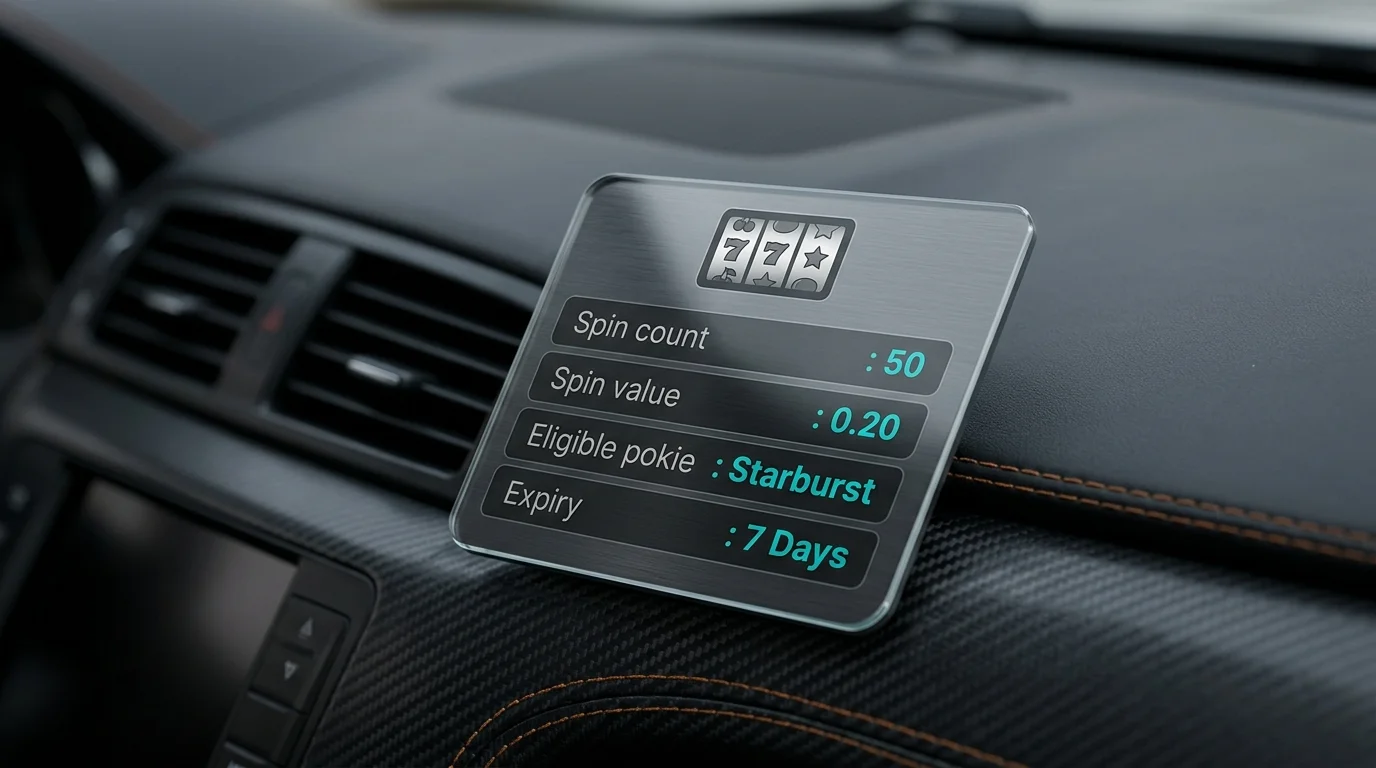
If the offer doesn’t disclose spin value before you accept, that itself is a flag — the operator is structuring the offer to be illegible. Skip it and look at the next platform. Free spins are common enough across the PayID-friendly segment that you can afford to be selective.
The verification you can skip until your first cashout The single biggest source of player frustration I see in the PayID segment isn't a slow deposit, a declined transfer, or…
Why the device choice matters less than the platform policies behind it…
The four-stage registration shape every operator follows Casino registration looks like a…
Why wagering is the number that decides whether a bonus is real…
Written by the editors at casinopayidau.com.